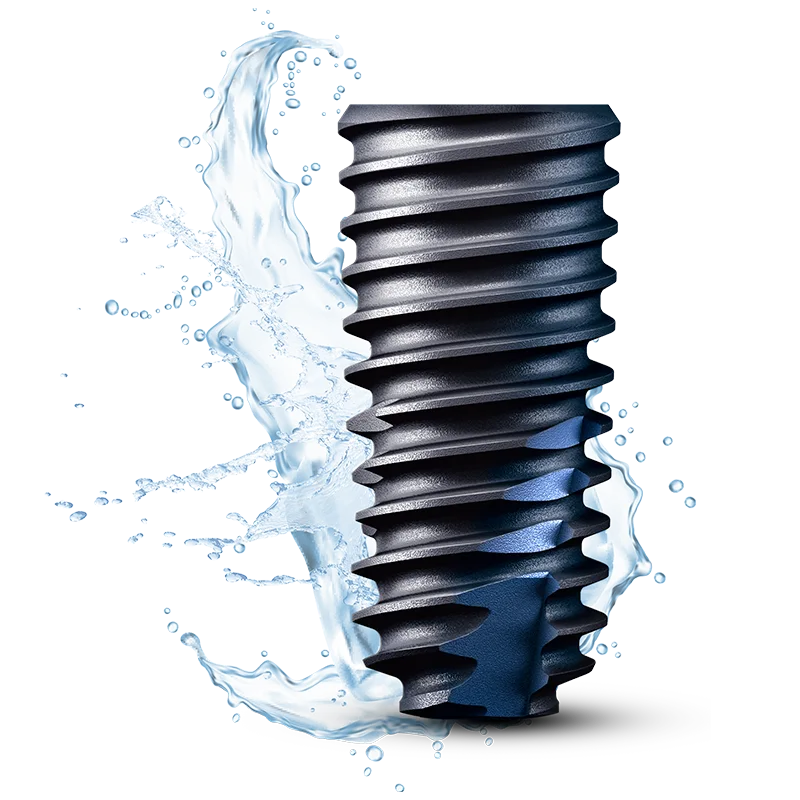
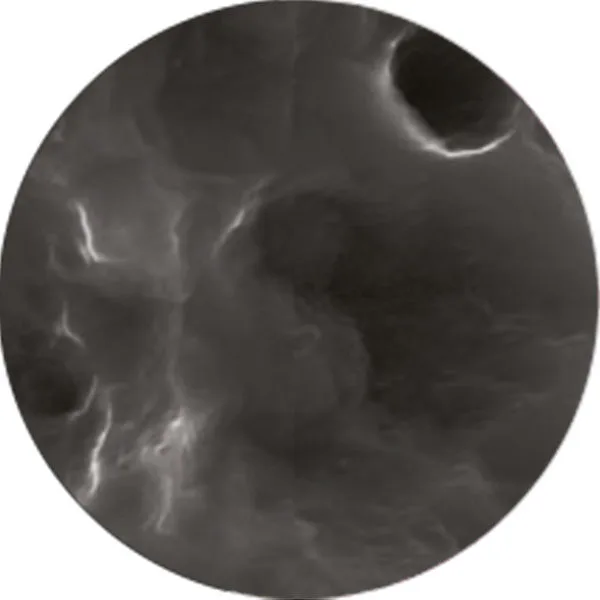
The NH Surface Treatment applies a thin, bioresorbable nano-apatite (Nano-HA) layer atop Osstem’s proven SA (Sand‑Blasted & Acid‑Etched) surface. With a thickness of only ~10 nm, this nano-coating dramatically enhances wettability, promoting blood adhesion and cell differentiation—key drivers of early osseointegration.
Clinical studies show a 39% increase in bone-to-implant contact (BIC) and a 12% boost in platelet adhesion, leading to faster implant stability. One study reported ISQ values over 75 from placement, with consistent improvement through week 4—highlighting exceptional early stability and reliability.
Why It Matters for Clinicians
In challenging clinical scenarios—or when immediate or early loading is planned—the surface treatment of an implant becomes a critical factor. The NH Surface enhances initial stabilization and speeds up osseointegration, enabling clinicians to deliver predictable, high-quality outcomes with confidence—even in compromised bone conditions.
Key benefits
Superior Osseointegration
39% higher bone-to-implant contact compared to standard SA surfaces
Super-Hydrophilic
12% increase in platelet adhesion and cell differentiation, enhancing early healing
Ultra-Thin Nano Coating
Just ~10 nm thick, offering bioresorbability and seamless integration with SA topography
Rapid Stability Gain
Observed high ISQ values (>75) within four weeks, signaling stable early loading potential
Proven Clinical Performance
Consistent outcomes across bone qualities and anatomical sites
Faster Bone Healing. Improved Osseointegration.
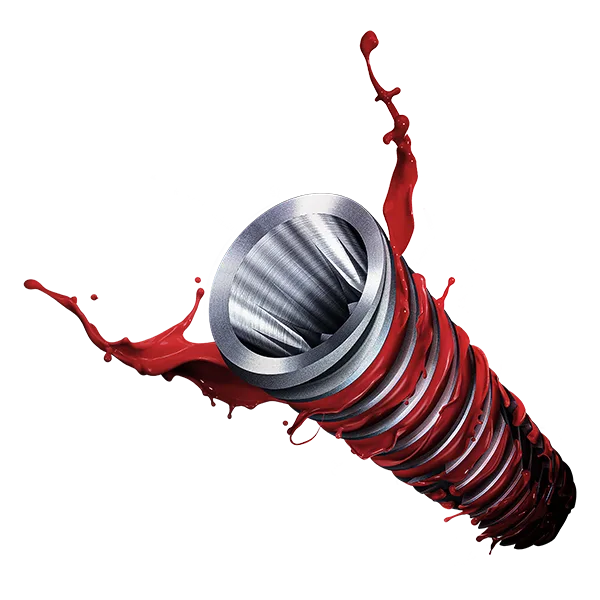
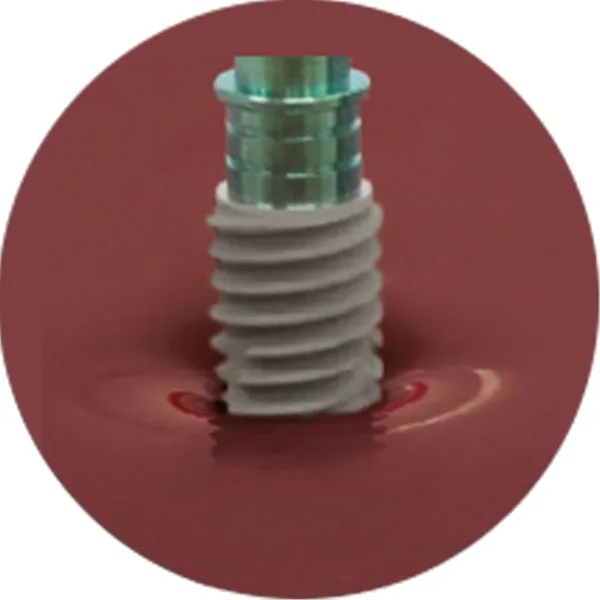
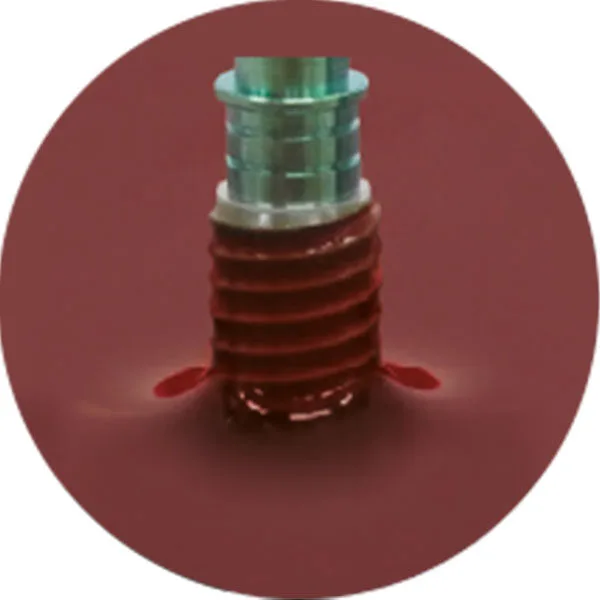
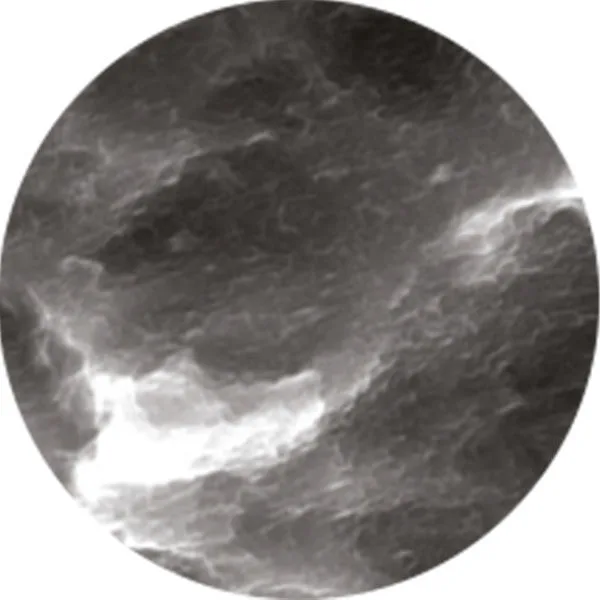
Our NH (Nano-hydrophilic) provides a unique surface treatment that features a hydrophilic SA surface combined with a low crystalline Nano-HA. This super hydrophilic helps ensuring optimal treatment outcomes with every implant you place on any type of bone, providing faster bone healing and improved osseointegration. The super-hydrophilic surface improved wettability, significantly increasing blood adhesion.
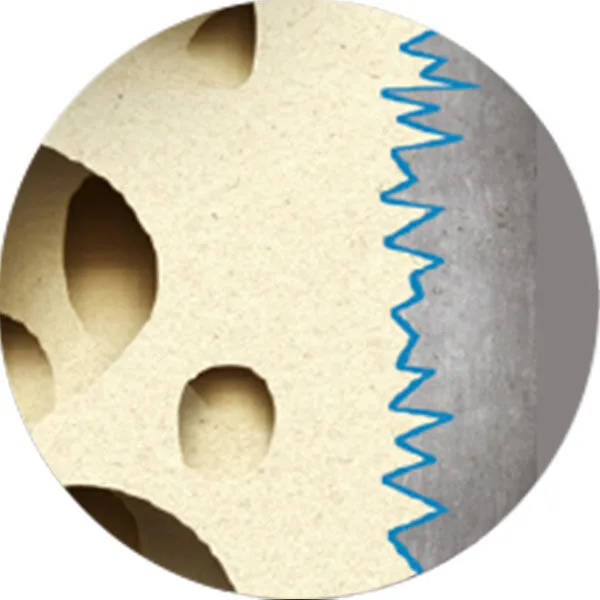
SA Surface
NH Surface
Significant Improvements to BIC
The super hydrophlic bioresorbable apatite increases Bone to Implant Contact (BIC) by 39% compared to SA.
Hydrophobic (1 minute after blood immersion)
Super Hydrophilic (1 minute after blood immersion)
Super Hydrophilic
12% increase in platelet adhesion (better initial osseointegration) and a 12% increase in cell differentiation.
Around 50 nm
Around 10 nm
Super HydrophilicUltra Thin Nano-Coating
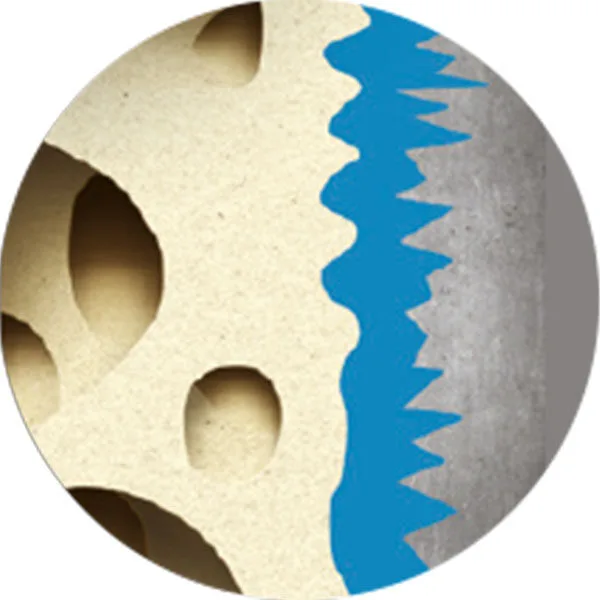
Bioresorbable apatite coating is 10 nanometers thick. Thickness of coating layer 5,000 : 1
After 2 weeks (Coating layer is present)
After 6 weeks (Coating layer is absorbed)
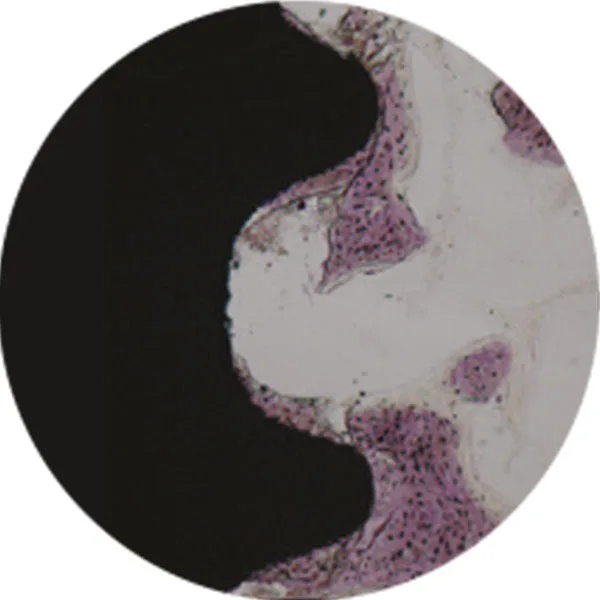
Bioresorbable apatite
Bone forms directly to the SA surface as the apatite layer is resorbed during osseointegration.
Scientific Foundation
Highly Predictable Success Rates
This prospective clinical study conducted in 2018 shows the ISQ (Implant Stability Quotient) measurement for four weeks after implant placement using Hiossen ETIII NH Implant. The following table shows the mean ISQ values of implants placed on the maxilla and mandible during the clinic al study period. No implant failure or complication occurred. The high ISQ value of over 75 from implant placement indicates strong initial stability after implant placement. Throughout the osseointegration period of four weeks, the mean ISQ value improved with no stability drop.
The super-hydrophilic surface improved wettability, significantly increasing blood adhesion. During the remodeling phase, the nano apatite coating was absorbed and the newly formed bone w as integrated into the SA surface. The results of this study demonstrate that Hiossen ETIII NH Implant greatly improves the healing process and supports functional loading after approximately four weeks.
Source: Yong-Jin Kim, Marco Tallarico. (Evaluation of the implant stability quotient for early-loaded implants with a new hydrophilic surface. EDI Journal. 2018)
ISQ values during the study period
Implant Placement
Week 1
Week 2
Week 3
Week 4
Maxilla
75.1 / 6.2
76.2 / 5.6
76.9 / 4.8
77.1 / 5.1
78.4 / 5.3
Mandible
79.5 7 6.4
80.5 / 6.3
80.7 / 6.4
81.7 / 5.2
82.6 / 4.8
Total
78.3 / 6.6
79.3 / 6.3
79.7 / 6.2
80.4 / 5.5
82.4 / 5.3
⚠️ This website is currently under development and is intended for internal review and feedback only. Content, including medical product information, is provisional and not intended for public distribution or use. No medical advice is provided.