Since the launch of the K3 in 2013 and the subsequent introduction of the K5 in 2021, both models have expanded steadily across international markets. The two dental unit chairs are currently available in 75 countries across North America, Europe and Asia. Demand remains stable in major markets, including the US, China, Russia, Japan, India, Vietnam and Brazil. In Europe, the K3 initially gained traction in Central and Eastern European countries such as Romania, Bulgaria and Poland. Sales have since expanded into Western European markets, including the UK, Germany, France and Italy, as well as Spain and Portugal.
Osstem Implant stated that the K3’s robust structure and smooth operation provide a stable user experience and that adoption is expanding across major European markets. The company also reported increasing inquiries from Northern European countries, including Norway, Denmark and the Baltic states.
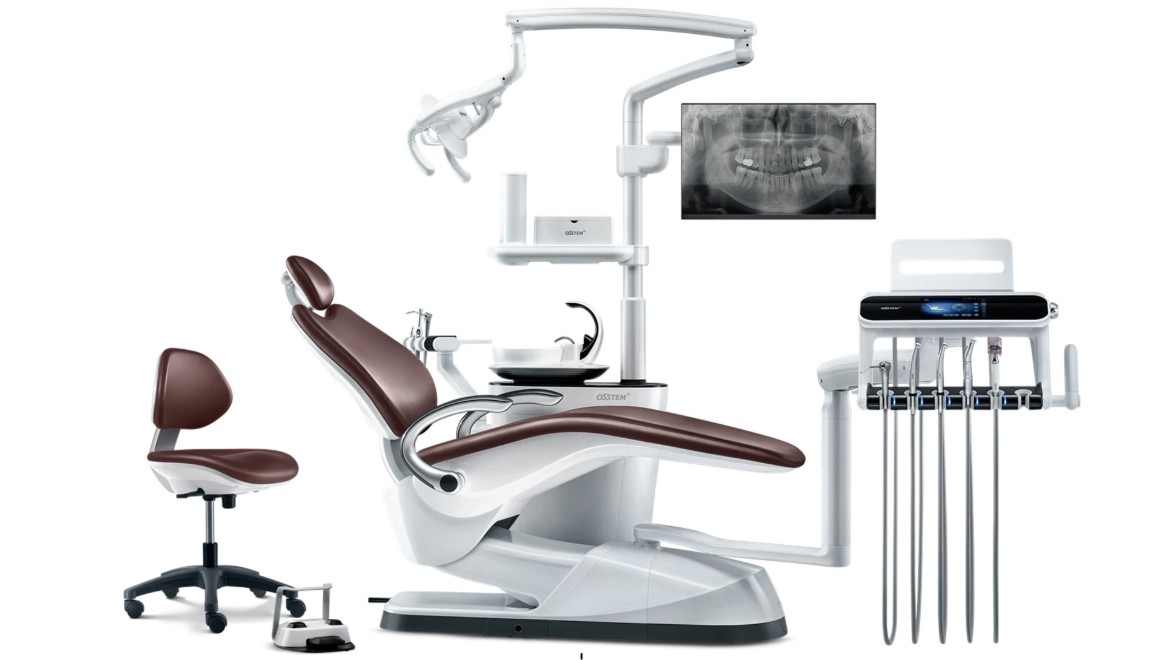
The K3 was developed with a focus on functionality and usability. Features include a wide height adjustment range, flexible table movement and a two-joint headrest that enables patient repositioning without additional button operation during procedures. A shadow-free LED light is provided as standard to improve visibility of the treatment area. Building on the K3 platform, the K5 incorporates additional features aimed at enhancing efficiency and ergonomics. These include a slim backrest design to reduce knee interference, a lift-up base for precise positioning and a wireless foot pedal designed to minimise cable interference. An integrated handpiece air-spray function is also included.
Osstem Implant stated that the K3 and K5 dental unit chairs are widely used in the US market owing to their ergonomic design, durability and service support. According to the company, these features contribute to clinical efficiency and sustained demand among dental practitioners.
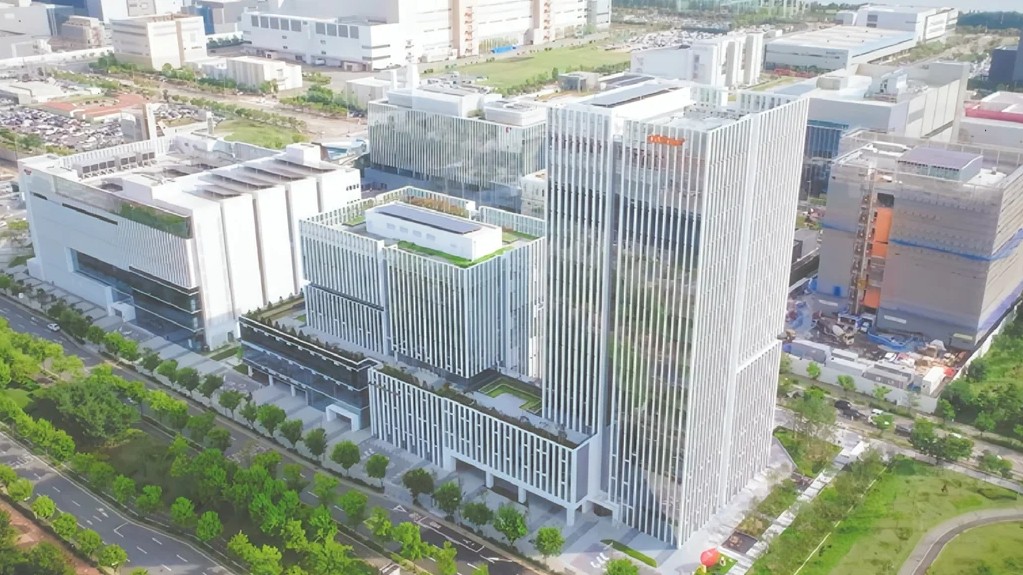
To support growing demand, Osstem Implant has relocated its dental unit chair production facility to Songdo Triple Tower in Incheon, South Korea. The company stated that the new site incorporates automated production systems intended to strengthen quality control and supply stability. The expanded infrastructure is designed to support further growth, with a mid- to long-term target of surpassing 100,000 cumulative units sold.
According to Osstem Implant, the 60,000-unit milestone reflects long-term trust built on clinical performance and market experience. The company added that it will continue to develop products aligned with the evolving needs of dental professionals worldwide.