Osstem Implant concentrated its corporate-wide R & D capabilities on developing an implant surface material that prevents implant ageing. Osstem Implant obtained a patent right of source technology for the SOI surface technology, and a paper on SOI surface effect was published in Coatings, a Science Citation Index (SCI) journal.
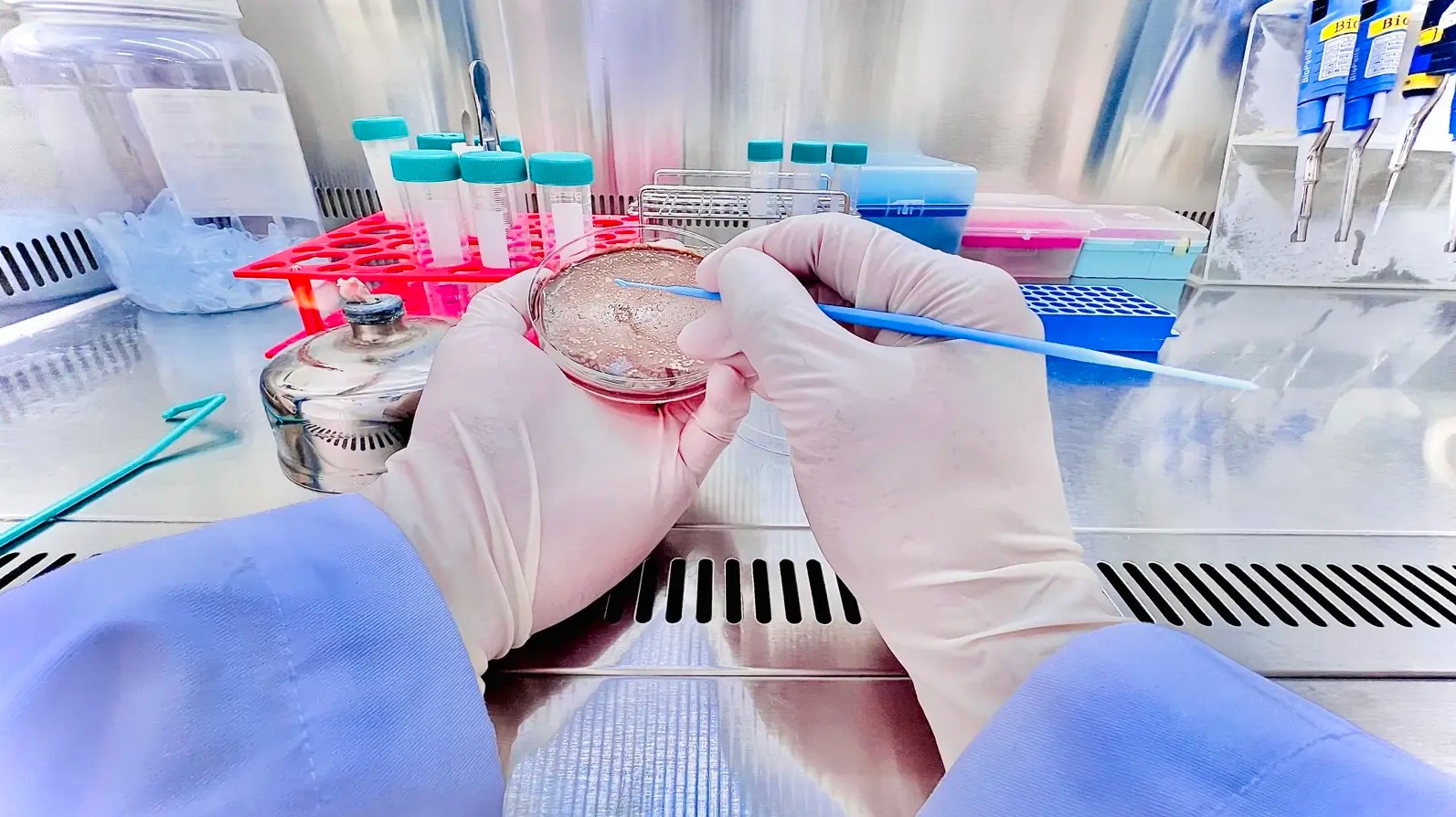
Having developed SOI technology in 2013, Osstem Implant repeated verification tests over a period of nine years. During this time, by protecting the surface through the K-material of SOI, the company was able to increase the attraction speed of osteocytes in the early stages of generating bone after placing an implant. The force of binding with gingival bone in the final stage was improved by 50% compared with SA surface products now in use. Consequently, it shortened the implant treatment period from a maximum of six months to between one and two months.
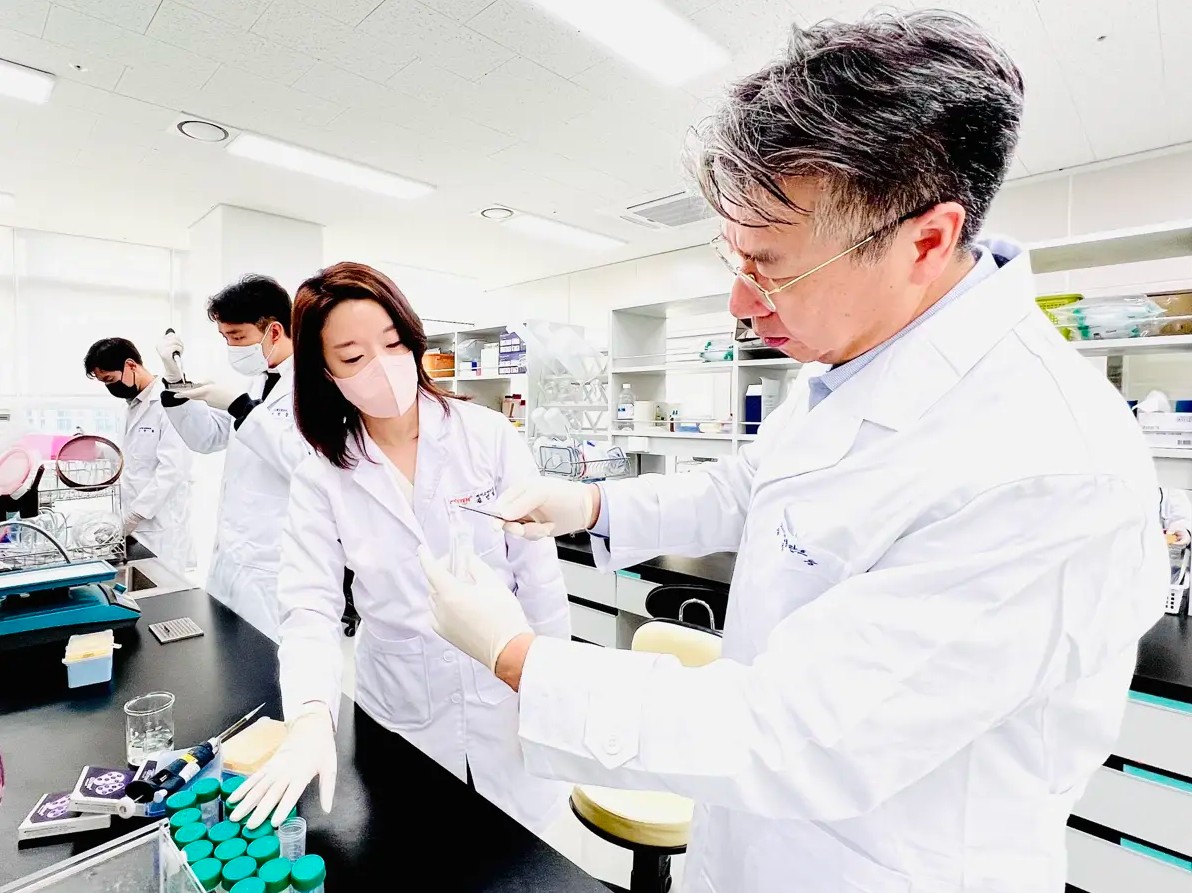
Il-Seok Jang, senior researcher at Osstem Implant’s Biotechnology R & D Center, explained: “When placing an implant, the primary stability between bone and implant declines as a certain period of time elapses. The SOI surface technology minimises stability dip and enhances clinical predictability by maximally moving up the secondary stability time that biochemically combines new bone and the surface of the implant.” Osstem Implant obtained approval for SOI technology products, including the TSIII SOI line-up, in 13 countries, including Germany, New Zealand, India and Chile, and will seek approval next year in the US, Japan and Brazil.
The development of TissueMax, which is expected to be launched in South Korea in the first half of 2023, was inspired by technology being used in plastic surgery, and it raises the success rate of the bone grafting that is necessary for placing an implant. Tube-shaped TissueMax enhances the success rate of surgery as its insertion in the gingiva expands space and it discourages gingivitis by inserting bone graft materials into the newly created space. A clinical study using TissueMax was published in Clinical Oral Implants Research, one of the most prestigious journals on dental implants in the world.
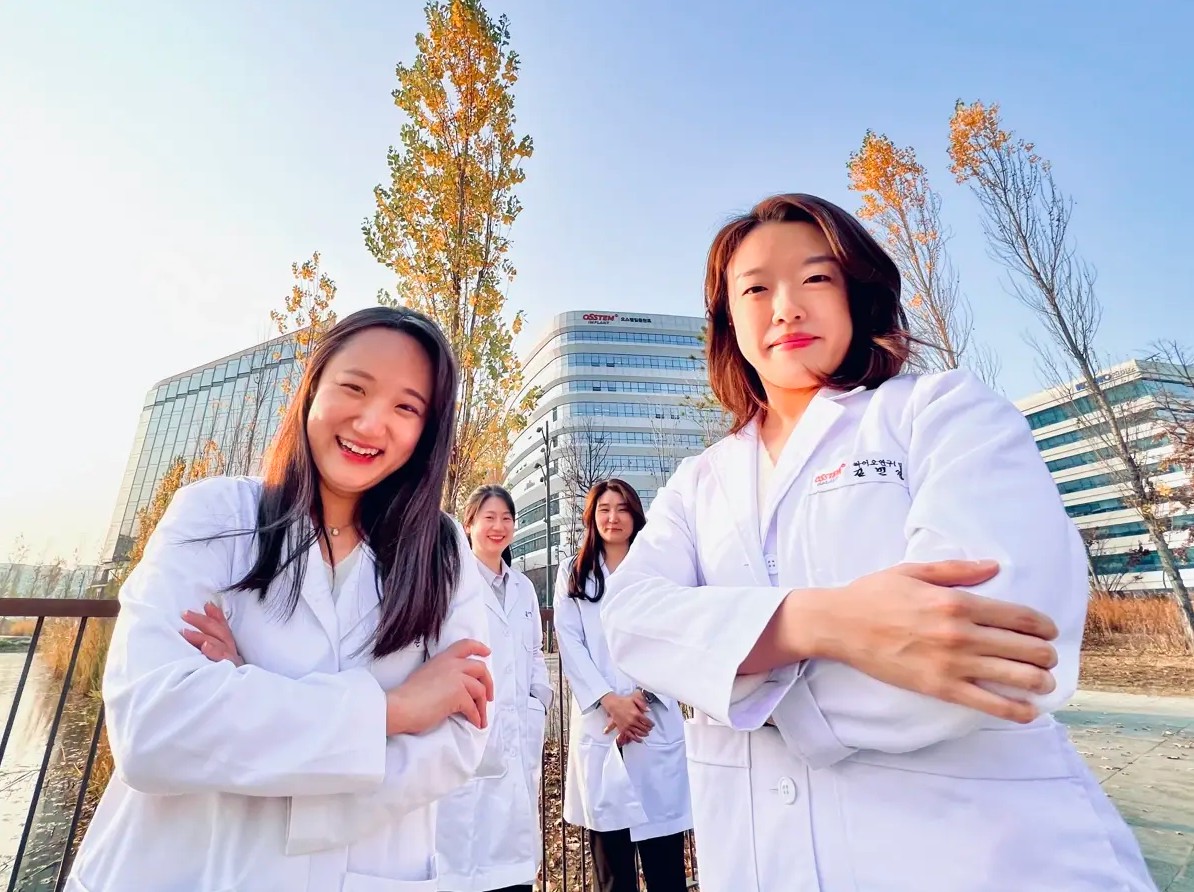
Min-Gyeong Kim, senior researcher, said “TissueMax is the starting point of Osstem Implant’s next-generation GTR (guided tissue regeneration) product line-up.” The R & D Center plans to complete development of an absorptive GTR product by the end of 2023, and by 2026, it intends to develop a drug release microneedle patch which will have an antibacterial effect and accelerate the growth of cells when the patch is attached to soft tissue.
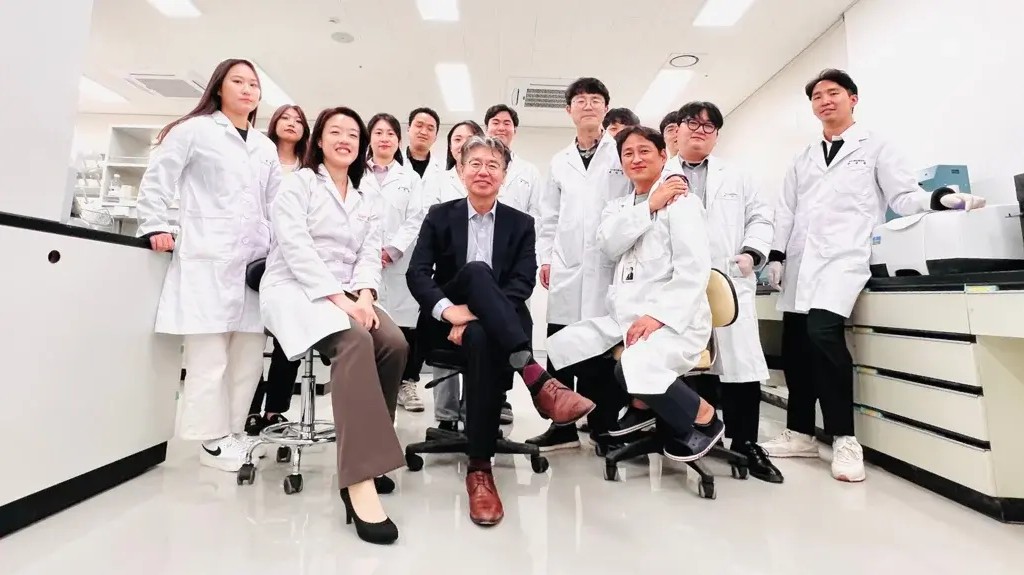
“The technological capabilities of the Biotechnology R & D Center are built on knowledge of biochemistry and biomaterials and can be expanded to the development of new materials needed for orthodontia beyond implants, such as transparent retainers,” explained Ju-Dong Song, director of the Biotechnology R & D Center. He added: “Moreover, research areas are limitless in a real sense as they can be applied to a variety of medical technology areas, including technology for the surface treatment and development of materials for plastic surgery prostheses, in addition to dental fields.”